

Strategic Intervention
Why More Is Not Better
Midlife skin usually does not fail because it lacks actives; it often fails because actives are used without sequence, restraint, or context. Skin in low-estrogen states is more prone to dryness, atrophy, and poor tolerance, which means a product that is effective in theory can still backfire if it is introduced too aggressively or layered onto an already compromised barrier. This is the biologic logic behind Strategic Intervention: not doing more, but doing the right thing in the right order. That principle is especially important with potent ingredients used for acne, texture, discoloration, and photoaging.
Retinoids are a good example. They are among the best-studied topical ingredients in dermatology for acne and photoaging, with evidence showing benefits in epidermal turnover, collagen support, texture, dyspigmentation, and fine lines. But they can also cause dryness, redness, and increased sun sensitivity, especially in skin that is already reactive. That does not make them "bad"; it means they require strategy. Strategic Intervention is the pillar that respects skin physiology: stabilize first, strengthen second, then introduce targeted actives with enough support that the skin can actually benefit from them. That sequencing is a clinical inference drawn from established dermatologic evidence, and it is central to making high-performance skincare tolerable in real life.
Selected Scientific References
-
Farage MA et al. Intrinsic and extrinsic factors in skin ageing. Int J Cosmet Sci.
-
Zouboulis CC et al. The human sebaceous gland and acne pathophysiology. Dermatoendocrinology.
-
American Academy of Dermatology. Adult acne overview.
-
NIH research on estrogen decline and skin aging.
Disclaimer
The Intelligent Aging Protocol™ is an educational skincare framework informed by dermatologic research. It is not intended to replace medical evaluation or treatment by a qualified healthcare professional.
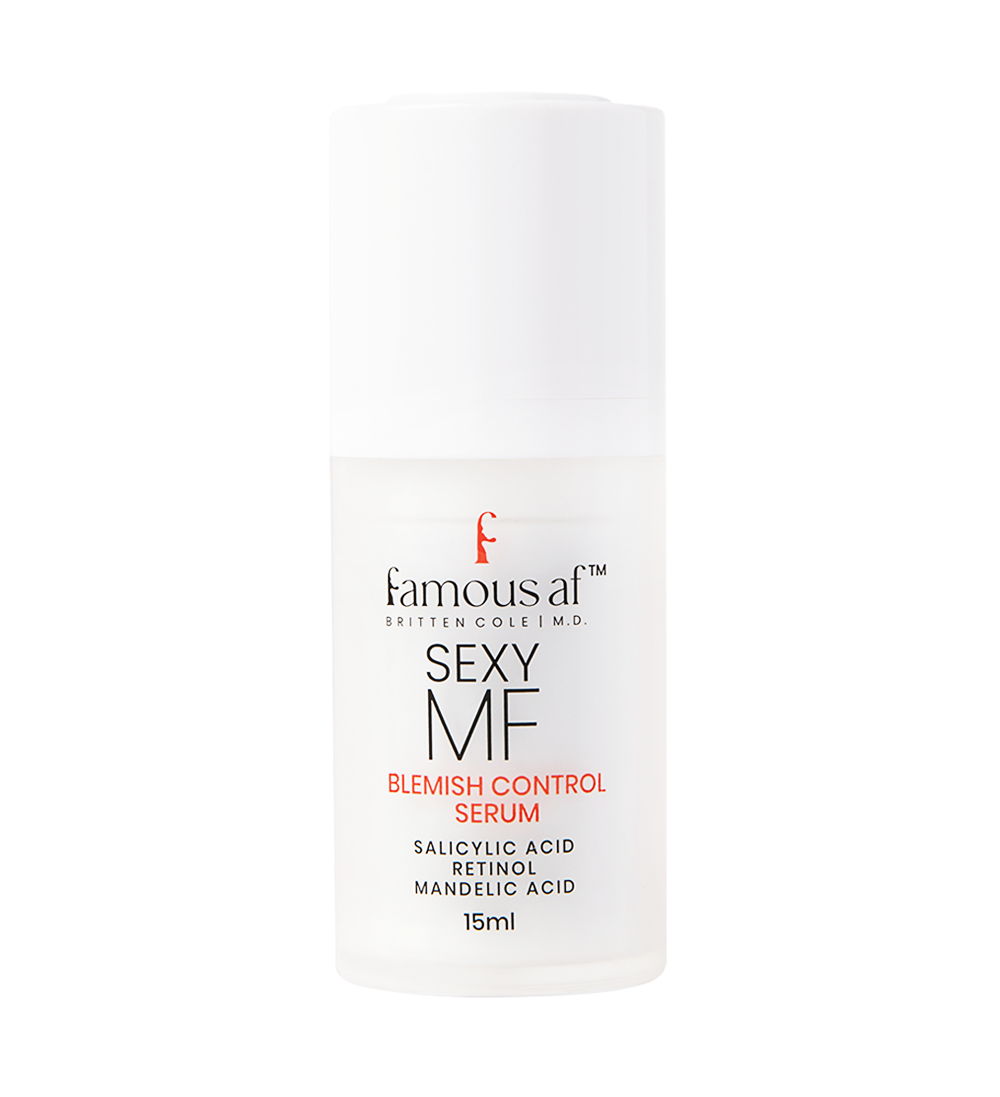
Midlife Breakouts Require a Different Strategy
Sexy MF - "Stabilize" Blemish Control Serum | Step 3: Intelligent Aging Protocol™
- Regular price
-
$75.00 - Regular price
-
- Sale price
-
$75.00
