

Barrier Preservation
Why Skin Stops Holding Water
The skin barrier is not a marketing phrase; it is a real biologic structure. The outermost layer of skin, the stratum corneum, is built to limit water loss and protect against irritants, microbes, and environmental stress. That barrier depends heavily on a well-organized matrix of lipids—especially ceramides, cholesterol, and free fatty acids. Ceramides are central to that structure. When barrier lipids are depleted or disorganized, skin loses water more easily, becomes more sensitive, and is more likely to sting, itch, flake, or overreact to active ingredients.
This becomes especially relevant in midlife. Estrogen supports hydration and skin quality, and lower estrogen states are associated with reduced water content, dryness, and impaired structural support. Research in postmenopausal skin has shown changes in the stratum corneum ceramide profile, including lower abundance and shorter ceramide chain length—findings that are consistent with weaker barrier performance. In other words, midlife skin often is not just "dry"; it is biologically less resilient. That is why barrier preservation is foundational. If the barrier is unstable, even good ingredients can become poorly tolerated.
Selected Scientific References
-
Farage MA et al. Intrinsic and extrinsic factors in skin ageing. Int J Cosmet Sci.
-
Zouboulis CC et al. The human sebaceous gland and acne pathophysiology. Dermatoendocrinology.
-
American Academy of Dermatology. Adult acne overview.
-
NIH research on estrogen decline and skin aging.
Disclaimer
The Intelligent Aging Protocol™ is an educational skincare framework informed by dermatologic research. It is not intended to replace medical evaluation or treatment by a qualified healthcare professional.
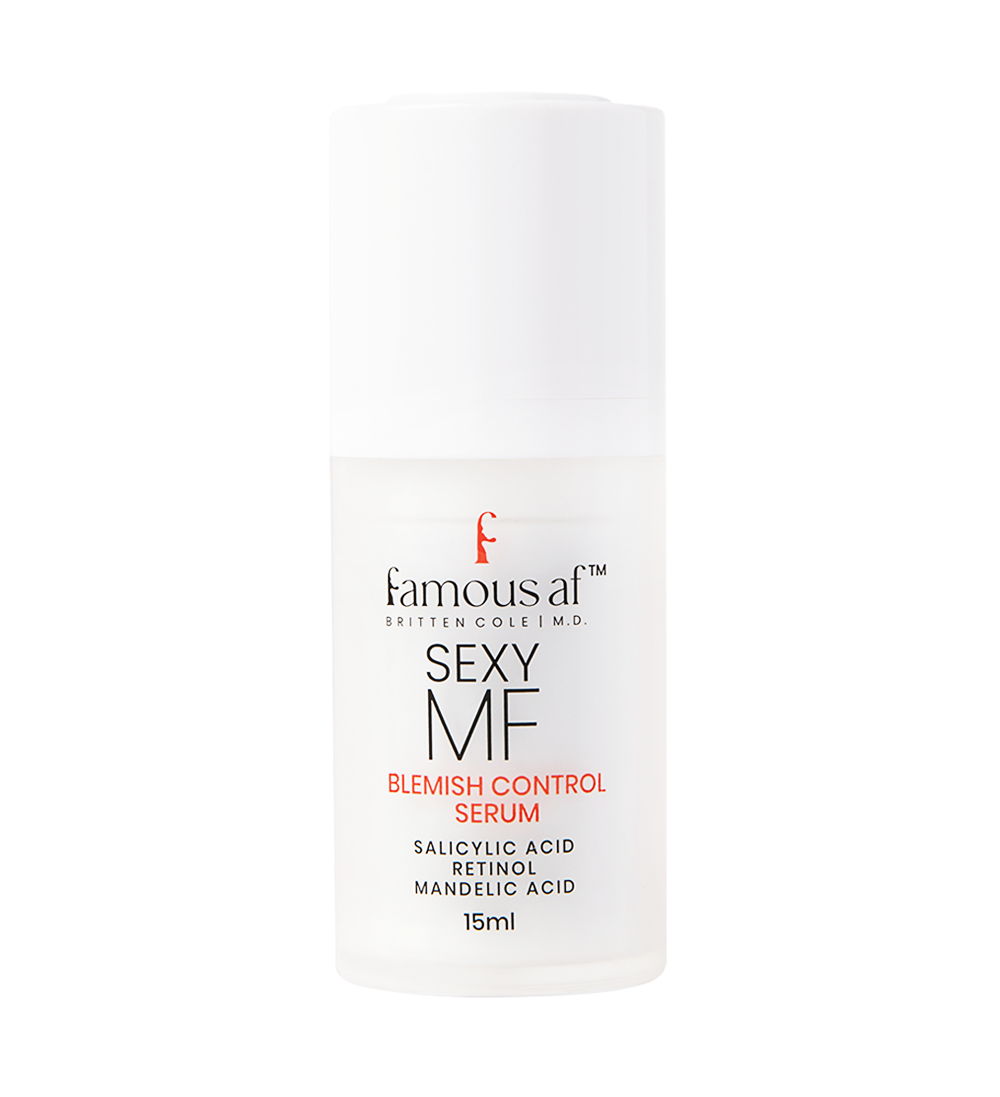
Midlife Breakouts Require a Different Strategy
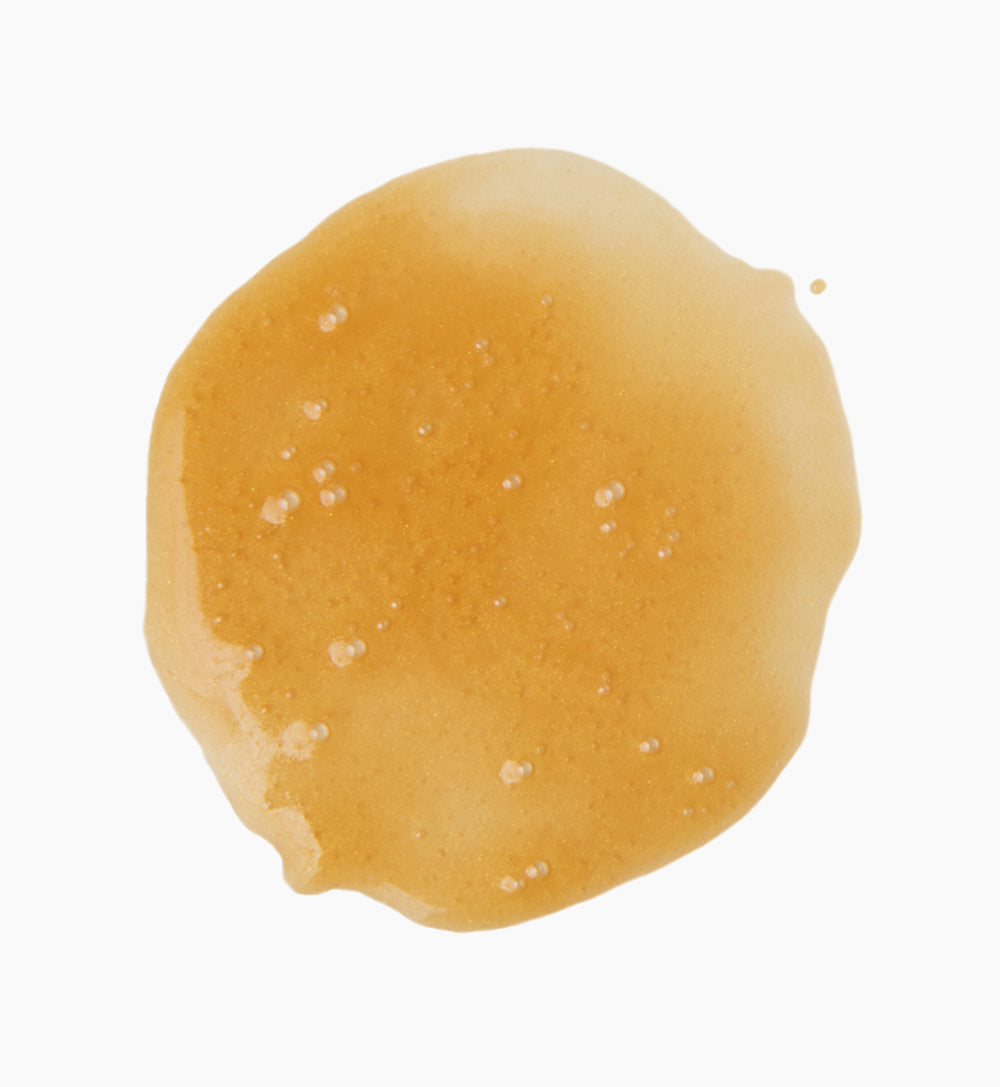
Sexy MF - "Stabilize" Blemish Control Serum | Step 3: Intelligent Aging Protocol™
- Regular price
-
$75.00 - Regular price
-
- Sale price
-
$75.00
